

Creatine Monohydrate is one of the most researched and widely used sports supplements in the world. From professional athletes to beginners in the gym, millions of people rely on creatine to improve strength, muscle growth, and workout performance. Despite its popularity, many people still have questions about how creatine works, whether it is safe, and how to use it correctly.
In this detailed guide, we will explore everything you need to know about Creatine Monohydrate—its benefits, usage, dosage, side effects, and scientific backing.
What Is Creatine Monohydrate?
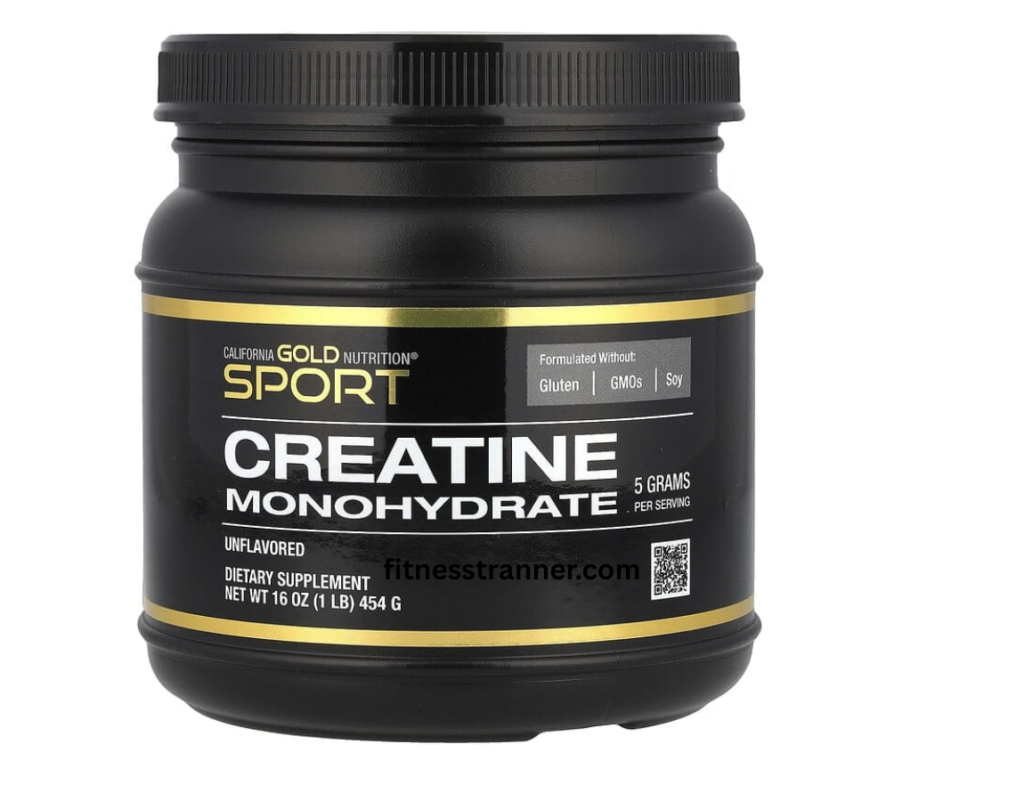
Monohydrate is a naturally occurring compound found in the human body, mainly in muscles. It is produced from amino acids such as arginine, glycine, and methionine. Small amounts of creatine are also found in foods like red meat and fish.
The body stores creatine as phosphocreatine, which helps produce ATP (adenosine triphosphate)—the primary energy source for short, high-intensity activities such as weightlifting, sprinting, and explosive movements.
Creatine is the most studied and proven form of creatine, known for its high absorption rate and effectiveness.
How Creatine Monohydrate Works
During intense exercise, your muscles use ATP quickly. Once ATP is depleted, performance drops. Creatine Monohydrate helps by:
- Replenishing ATP stores faster
- Increasing muscle energy availability
- Improving workout intensity and endurance
- Supporting muscle cell hydration
By maintaining higher ATP levels, creatine allows you to lift heavier weights, perform more reps, and recover faster between sets.
Benefits of Creatine Monohydrate
1. Increased Muscle Strength
Creatine is best known for improving strength and power. Regular supplementation helps you lift heavier weights and improve overall training performance.
2. Muscle Growth (Hypertrophy)
Creatine increases water content inside muscle cells, creating a fuller appearance and supporting protein synthesis. Over time, this leads to noticeable muscle growth.
3. Improved Workout Performance
High-intensity exercises like HIIT, powerlifting, and sprinting benefit greatly from creatine supplementation.
4. Faster Muscle Recovery
Creatine reduces muscle damage and inflammation, helping muscles recover quicker after intense workouts.
5. Brain and Cognitive Support
Research suggests creatine may improve memory, focus, and mental fatigue, especially during stressful or sleep-deprived situations.
6. Suitable for Vegetarians
Since vegetarians consume less dietary creatine, supplementation can provide even greater benefits for strength and muscle gain.
Creatine Monohydrate for Different Goals
For Muscle Gain
Creatine supports muscle volume, strength, and training intensity, making it ideal for bulking phases.
For Fat Loss
While creatine does not burn fat directly, it helps preserve lean muscle during calorie deficits and improves workout performance.
For Athletes
Sprinters, football players, wrestlers, and gym athletes benefit from increased power output and quicker recovery.
How to Use Monohydrate
Loading Phase (Optional)
- 20 grams per day
- Split into 4 doses of 5 grams
- Duration: 5–7 days
This method saturates muscles quickly but is not mandatory.
Maintenance Phase
- 3–5 grams per day
- Taken consistently for best results
Skipping the loading phase still provides benefits, just at a slower rate.
Best Time to Take Creatine
The best time to take Creatine Monohydrate is:
- Post-workout, along with carbohydrates and protein
- Or any time of the day, as long as it is taken consistently
Consistency matters more than timing.
Creatine Monohydrate Dosage
| User Type | Recommended Dose |
|---|---|
| Beginners | 3–5 grams/day |
| Advanced lifters | 5 grams/day |
| Athletes | 5 grams/day |
| Vegetarians | 5 grams/day |
Always drink enough water while using creatine.
Is Creatine Monohydrate Safe?
Creatine is one of the safest supplements available. Numerous long-term studies confirm its safety when used within recommended doses.
Common Myths Explained
- Kidney damage – False for healthy individuals
- Hair loss – No strong scientific evidence
- Dehydration – Not true if water intake is sufficient
People with pre-existing kidney conditions should consult a doctor before use.
Possible Side Effects
Creatine is generally well tolerated. Mild side effects may include:
- Water retention in muscles
- Temporary weight gain
- Stomach discomfort (rare, usually due to high doses)
These effects are preventable by proper dosing and hydration.
Creatine Monohydrate vs Other Forms
| Type | Effectiveness | Cost |
|---|---|---|
| Creatine Monohydrate | ⭐⭐⭐⭐⭐ | Low |
| Creatine HCL | ⭐⭐⭐ | High |
| Buffered Creatine | ⭐⭐ | High |
| Liquid Creatine | ⭐ | High |
Creatine Monohydrate remains the gold standard.
How Long Does Creatine Take to Work?
- Strength improvements: 1–2 weeks
- Muscle fullness: 2–4 weeks
- Visible muscle growth: 4–8 weeks
Results depend on diet, training, and consistency.
Should You Cycle Creatine?
No cycling is required. Creatine can be taken year-round safely. Some users choose to take breaks, but it is not necessary.
Table of Contents
Final Verdict
Creatine is a powerful, safe, and scientifically proven supplement for anyone looking to improve strength, muscle mass, and exercise performance. Its affordability, effectiveness, and safety make it a top choice for beginners and experienced athletes alike.
If you train hard, eat well, and stay consistent, Creatine Monohydrate can significantly enhance your fitness journey.