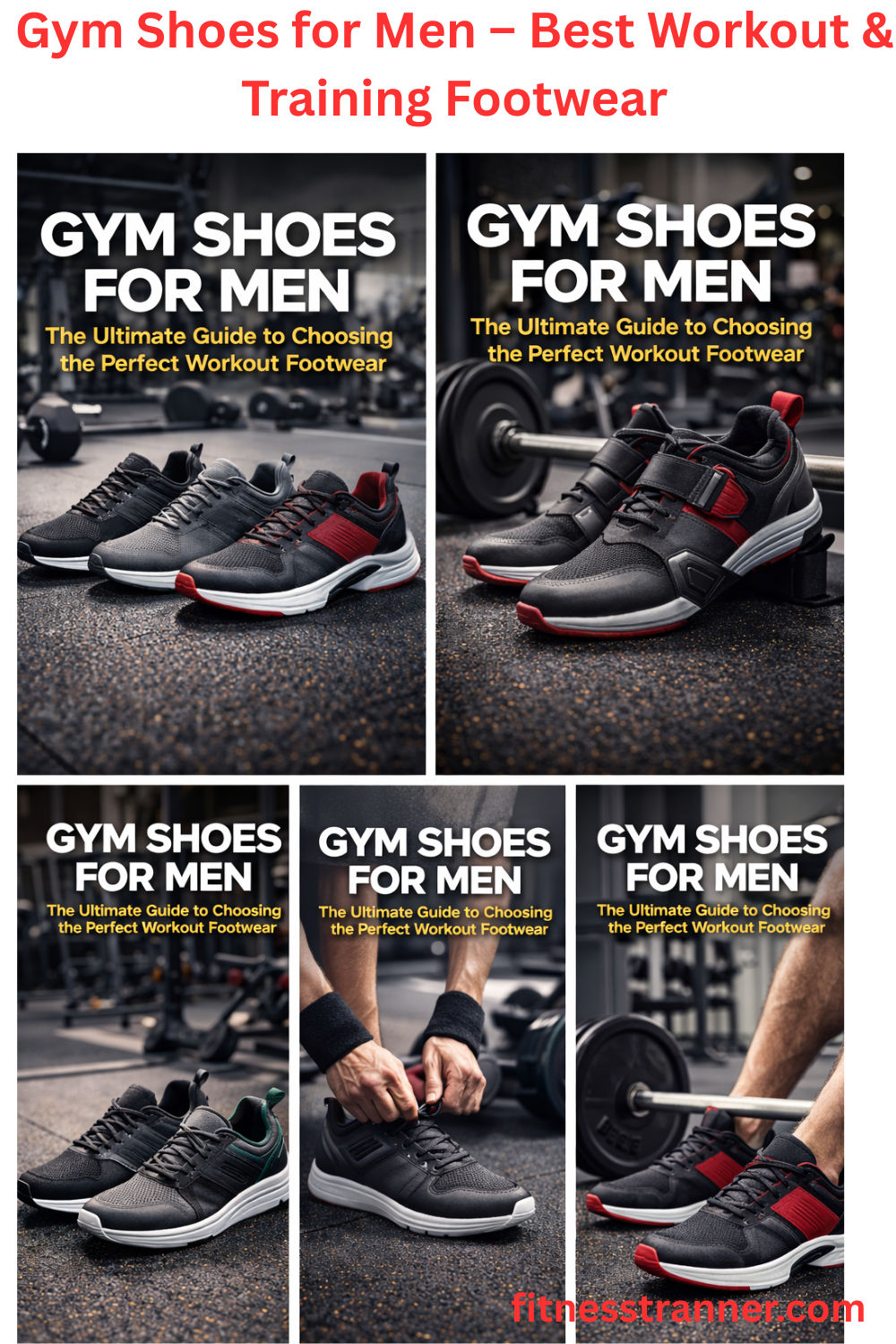
When it comes to achieving your fitness goals, the importance of proper gym shoes for men is often underestimated. Many people focus on workouts, diet, and supplements, but wearing the wrong shoes can slow progress, cause discomfort, or even lead to injuries. Gym shoes are specially designed to provide support, stability, and comfort during different types of exercises such as weight training, cardio, HIIT, and functional workouts.
In this detailed guide, we will explore everything you need to know about gym shoes for men, including types, features, benefits, how to choose the right pair, and maintenance tips. Whether you are a beginner or a regular gym-goer, this article will help you make the right decision.
Why Gym Shoes for Men Are Important
Gym workouts involve a variety of movements—lifting, jumping, running, stretching, and balancing. Regular casual shoes or running shoes may not provide the required support for these activities. Proper gym shoes for men are designed to:
- Improve workout performance
- Reduce the risk of injuries
- Provide better grip and stability
- Support feet, ankles, and knees
- Enhance comfort during long workout sessions
Using the right gym shoes can significantly improve posture, balance, and overall training efficiency.
Types of Gym Shoes for Men
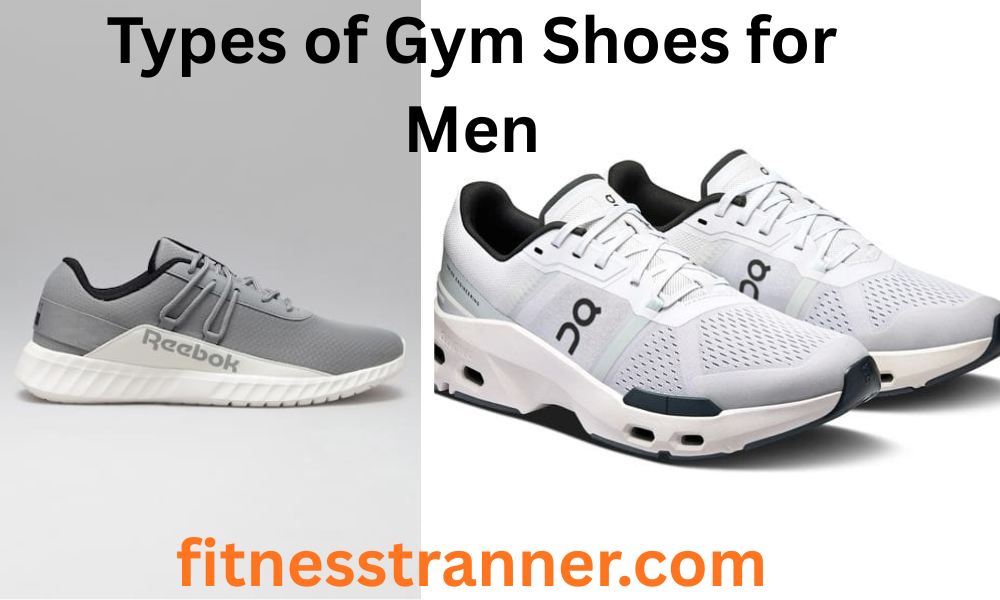
Different workouts require different types of footwear. Here are the most common types of gym shoes for men:
1. Training Shoes
Training shoes are versatile and suitable for mixed workouts. They provide stability for weight training and enough cushioning for light cardio.
Best for:
- Strength training
- HIIT workouts
- Circuit training
2. Running Shoes (Gym Cardio)
These shoes are lightweight and cushioned, ideal for treadmill running or walking.
Best for:
- Treadmill workouts
- Cardio sessions
- Warm-up runs
3. Weightlifting Shoes
Weightlifting shoes have a firm sole and raised heel, offering excellent balance and power transfer.
Best for:
- Squats
- Deadlifts
- Olympic lifts
4. Cross-Training Shoes
Cross-training shoes are designed for varied movements and intense workouts.
Best for:
- CrossFit
- Functional training
- Agility drills
Key Features to Look for in Gym Shoes for Men
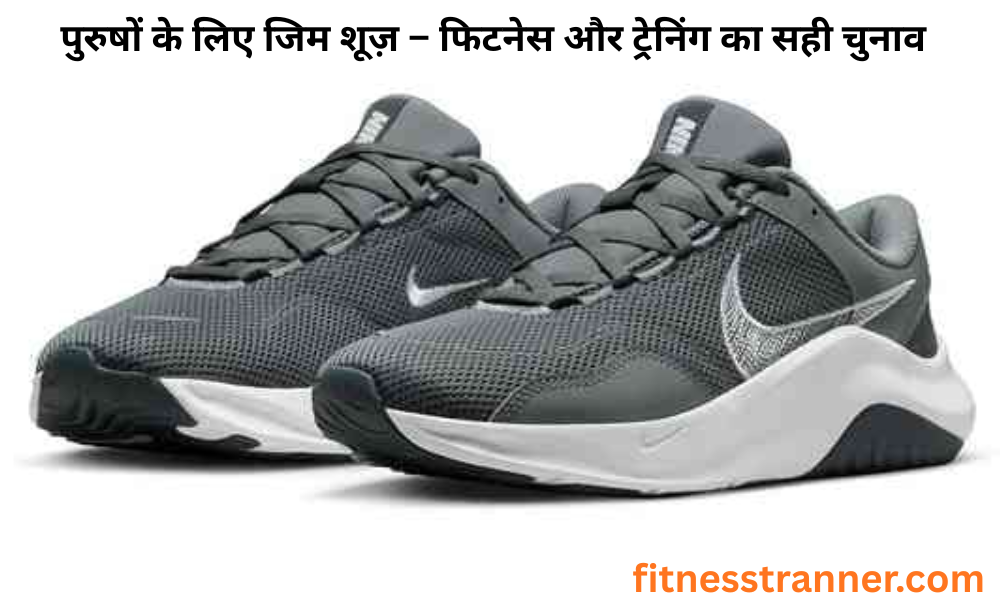
Choosing the right gym shoes depends on several important features:
1. Comfort and Fit
A good fit is essential. Shoes should not be too tight or too loose. Proper cushioning reduces foot fatigue during workouts.
2. Grip and Traction
Non-slip soles provide stability on gym floors and prevent slipping during intense movements.
3. Breathability
Breathable mesh material keeps feet cool and prevents excessive sweating and odor.
4. Durability
Gym shoes should be made of high-quality materials to withstand heavy workouts and frequent use.
5. Support and Stability
Strong arch support and heel stability protect ankles and reduce the risk of injuries.
How to Choose the Best Gym Shoes for Men
Here are some practical tips to help you choose the best gym shoes:
- Identify your workout type: Cardio, weight training, or mixed workouts
- Check sole flexibility: Flexible for cardio, firm for lifting
- Try before buying: Always check comfort and grip
- Choose the right size: Leave slight room for toe movement
- Avoid multipurpose casual shoes: Invest in proper gym footwear
Choosing shoes according to your workout style will improve performance and safety.
Benefits of Wearing Proper Gym Shoes
Wearing the right gym shoes for men offers multiple benefits:
- Enhanced workout performance
- Reduced muscle and joint stress
- Better balance and posture
- Lower risk of foot pain and injuries
- Increased confidence during workouts
Proper footwear allows you to focus fully on training without discomfort or fear of injury.
Common Mistakes to Avoid When Buying Gym Shoes
Many men make mistakes while choosing gym shoes. Avoid the following:
- Buying shoes only for style, not function
- Using running shoes for heavy lifting
- Ignoring proper fit and comfort
- Choosing cheap, low-quality materials
- Not replacing worn-out shoes on time
Avoiding these mistakes will help you get long-term value from your gym shoes.
How to Maintain Gym Shoes for Long Life
Good maintenance increases the life of your gym shoes:
- Clean shoes regularly after workouts
- Air-dry shoes; avoid direct sunlight
- Use shoe deodorizers to prevent odor
- Do not use gym shoes for outdoor casual wear
- Replace shoes every 6–12 months depending on usage
Proper care keeps shoes hygienic and performance-ready.
Gym Shoes for Men: Style Meets Performance
Modern gym shoes for men are designed to balance style and functionality. You can easily find shoes that look stylish while delivering high performance. Many brands offer sleek designs, bold colors, and lightweight materials without compromising on comfort or durability.
Choosing stylish gym shoes can boost motivation and confidence during workouts.
FAQ : Gym Shoes for Men
What are gym shoes for men?
Gym shoes for men are specially designed footwear that provide proper support, grip, and stability during workouts like weight training, cardio, HIIT, and functional exercises. They help improve performance and reduce the risk of injuries.
Are gym shoes different from running shoes?
Yes, gym shoes are different from running shoes. Gym shoes offer better stability and flatter soles for lifting and multi-directional movements, while running shoes focus more on cushioning and forward motion.
Which gym shoes are best for weight training?
For weight training, shoes with firm soles, strong heel support, and minimal cushioning are best. Weightlifting or training shoes provide better balance and power during squats and deadlifts.
Can I use one pair of gym shoes for all workouts?
Yes, cross-training shoes are suitable for mixed workouts including cardio, strength training, and HIIT. However, for specialized training like heavy lifting or long-distance running, dedicated shoes are recommended.
How often should gym shoes for men be replaced?
Gym shoes should generally be replaced every 6 to 12 months, depending on usage, workout intensity, and shoe condition. Worn-out soles and reduced support indicate it’s time for a new pair.
What features should I look for in gym shoes for men?
Key features include proper fit, good grip, breathable material, strong arch support, heel stability, and durable construction for long-lasting performance.
Are expensive gym shoes better?
Not always. Expensive gym shoes often offer better materials and technology, but the best shoe is one that fits well and matches your workout needs, regardless of price.
Can wearing the wrong gym shoes cause injuries?
Yes, wearing incorrect gym shoes can lead to foot pain, ankle injuries, knee stress, and poor workout performance. Proper gym shoes help maintain balance and reduce injury risks.
Table of Contents
Conclusion
Gym shoes for men are an essential part of any fitness routine. The right pair provides comfort, stability, and support, helping you train safely and effectively. By understanding different types of gym shoes, key features, and choosing according to your workout needs, you can significantly improve your gym performance.
Investing in quality gym shoes is not just about footwear—it’s about protecting your body, enhancing results, and maintaining long-term fitness. Whether you are lifting weights, running on a treadmill, or doing high-intensity workouts, the right gym shoes will always support your journey toward better health and strength.