

Vitamins and Supplements: In today’s fast-paced lifestyle, maintaining proper nutrition can be challenging. Busy schedules, processed foods, stress, and lack of balanced meals often lead to nutritional gaps. This is where vitamins and supplements play an important role. They help support overall health, boost immunity, improve energy levels, and promote long-term wellness.
Vitamins and Supplements In this detailed guide, you will learn what vitamins are, why supplements are used, their benefits, types, safety tips, and how to choose the right ones for your body.
Vitamins and Supplements: Which One Is Better?
Many people get confused between vitamins and supplements and often ask — which one is better? The answer depends on your health needs, diet, and lifestyle.
What Are Vitamins?
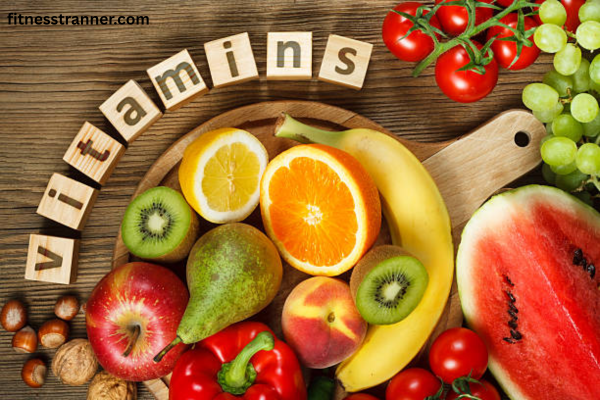
Vitamins are organic compounds that your body needs in small amounts to function properly. They help in growth, digestion, nerve function, bone strength, immunity, and many other essential processes.
There are 13 essential vitamins, divided into two categories:
1. Fat-Soluble Vitamins
These vitamins dissolve in fat and are stored in the body:
- Vitamin A
- Vitamin D
- Vitamin E
- Vitamin K
2. Water-Soluble Vitamins
These vitamins dissolve in water and are not stored for long in the body:
- Vitamin C
- Vitamin B-complex (B1, B2, B3, B5, B6, B7, B9, B12)
Because water-soluble vitamins are not stored, they must be consumed regularly through food or supplements.
What Are Supplements?
Supplements are products designed to add nutrients to your diet. They may contain vitamins, minerals, herbs, amino acids, enzymes, or other beneficial ingredients. Supplements come in various forms such as tablets, capsules, powders, liquids, and gummies.
They are not meant to replace a healthy diet but to support nutritional balance.
Why Do People Take Vitamins and Supplements?
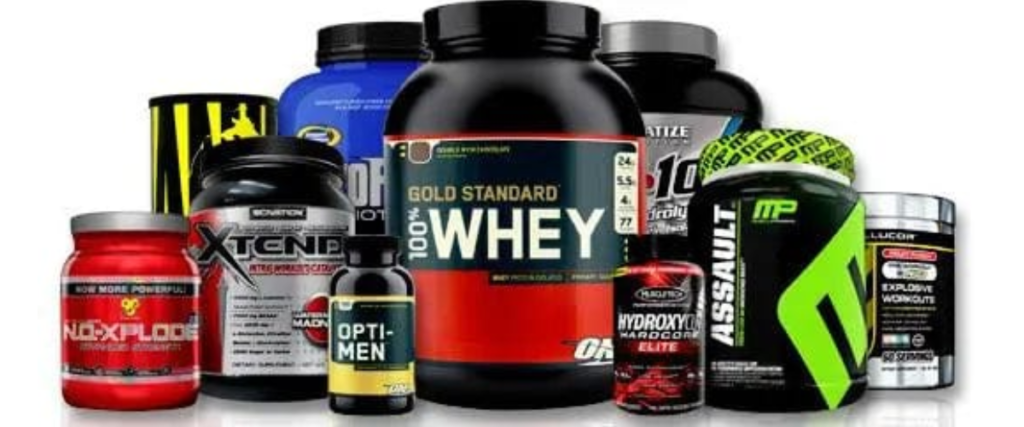
There are several reasons why people use supplements:
1. Nutritional Deficiency
Poor diet, digestive issues, or restricted eating habits (like vegan diets) may lead to deficiencies.
2. Boosting Immunity
Many people take Vitamin C, Vitamin D, or Zinc to support immune health.
3. Increasing Energy
B-complex vitamins help convert food into energy and reduce fatigue.
4. Bone and Joint Health
Calcium and Vitamin D are essential for strong bones.
5. Heart Health
Omega-3 fatty acids and certain antioxidants support cardiovascular health.
6. Muscle Growth and Fitness
Protein powders, creatine, and amino acids are popular among athletes and fitness enthusiasts.
Essential Vitamins and Their Benefits
Vitamin A
Supports eye health, immune function, and skin health.
Vitamin B Complex
Helps in energy production, brain function, and red blood cell formation.
Vitamin C
Acts as an antioxidant, supports immunity, and improves skin health.
Vitamin D
Essential for calcium absorption and bone strength. It also supports immunity.
Vitamin E
Protects cells from oxidative stress.
Vitamin K
Important for blood clotting and bone metabolism.
Common Dietary Supplements
1. Multivitamins
Contain a combination of essential vitamins and minerals.
2. Calcium
Supports bone strength and prevents osteoporosis.
3. Iron
Prevents anemia and supports oxygen transport in blood.
4. Omega-3 Fatty Acids
Support heart health and reduce inflammation.
5. Probiotics
Improve gut health and digestion.
6. Protein Supplements
Help in muscle repair and growth.
7. Herbal Supplements
Include ingredients like turmeric, ashwagandha, and ginseng for overall wellness.
Natural Sources vs Supplements
While supplements are helpful, natural food sources are always the best option. For example:
- Citrus fruits provide Vitamin C
- Dairy products provide Calcium
- Leafy greens provide Iron
- Nuts and seeds provide Vitamin E
- Sunlight provides Vitamin D
A balanced diet rich in fruits, vegetables, whole grains, lean proteins, and healthy fats should always be your primary source of nutrition.
Who Needs Supplements the Most?
Some groups are more likely to need supplements:
- Pregnant women (Folic acid, Iron)
- Elderly people (Vitamin D, Calcium)
- Vegetarians/Vegans (Vitamin B12, Iron)
- People with medical conditions
- Athletes with high nutritional demands
Before starting any supplement, consulting a healthcare professional is recommended.
Risks and Safety Considerations
Taking excessive amounts of vitamins can be harmful. For example:
- Too much Vitamin A can cause toxicity
- Excess iron may damage organs
- High doses of Vitamin D may lead to calcium buildup
Always follow recommended dosage instructions. Choose certified and quality-tested brands. Avoid mixing supplements without professional guidance.
How to Choose the Right Supplement
When selecting a supplement:
- Check the ingredient label
- Look for third-party testing certification
- Avoid artificial colors and unnecessary fillers
- Choose according to your age and gender
- Consult a doctor if you have health conditions
Quality matters more than quantity.
Are Supplements Really Necessary?
If you eat a well-balanced diet, you may not need many supplements. However, due to modern lifestyle challenges and soil nutrient depletion, many people benefit from targeted supplementation.
The key is personalization. Everyone’s body is different. What works for one person may not work for another.
Best Time to Take Vitamins
- Fat-soluble vitamins: Take with meals containing healthy fats
- Water-soluble vitamins: Take with water, usually in the morning
- Iron: Best taken on an empty stomach (unless it causes discomfort)
- Probiotics: Often recommended before meals
Follow product instructions for best results.
FAQ-Vitamins and Supplements
1. What are vitamins and why are they important?
Vitamins are essential nutrients required by the body in small amounts to support growth, immunity, energy production, and overall health.
2. Are supplements safe to take daily?
Most supplements are safe when taken in recommended doses. However, excessive intake may cause side effects. It is best to consult a healthcare professional before starting any supplement.
3. Can supplements replace a healthy diet?
No, supplements are meant to support your diet, not replace it. Whole foods provide fiber, antioxidants, and additional nutrients that supplements cannot fully replicate.
4. Which vitamins help boost immunity?
Vitamin C, Vitamin D, Zinc, and Vitamin A are commonly known for supporting immune system function.
Table of Contents
Conclusion
Vitamins and supplements can be powerful tools for improving health, increasing energy, and preventing deficiencies. However, they should never replace a nutritious diet and healthy lifestyle.
Focus on balanced eating, regular exercise, proper sleep, and stress management. Use supplements wisely and responsibly to fill nutritional gaps.
By understanding your body’s needs and making informed choices, you can build a strong foundation for long-term wellness and vitality. Vitamins and Supplements benefits.
Related posts:
 Best Vitamins for Energy: A Complete Guide to Boost Stamina Naturally (2026)
 Vitamins for Hair Growth and Thickness: Complete Guide for Stronger, Healthier Hair (2026)
 The 7 Best Fiber Supplements for Gut Health & Regularity, According to Experts
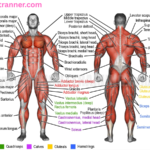 Body Parts Name: Complete Guide to Human Body Parts and Their Functions
Powered by YARPP.