

The 7 Best Fiber Supplements for Gut Health & Regularity, According to Experts In today’s fast-paced world, many people struggle to get enough diet-rich fiber from food alone. Whether due to a busy schedule, picky eating, or digestive discomfort, low fiber intake is incredibly common — and it can take a toll on gut health and regularity. For many individuals, a well-chosen fiber supplement can bridge that gap, promote digestion, and support overall well-being.
Here, nutritionists and gastrointestinal experts share their top fiber supplement recommendations that promote a healthy microbiome, improve bowel regularity, and are gentle enough for daily use.
Why Fiber Matters for Gut Health
Before we explore the best supplements, it’s important to understand why fiber plays such an essential role:
1. Fiber feeds good gut bacteria
Dietary fiber acts as a prebiotic — a substance that beneficial bacteria in the intestines feed on. A thriving microbiome contributes to better digestion, immune support, and even mood regulation.
2. It improves bowel regularity
Soluble and insoluble fibers add bulk and softness to stools, helping move waste through the digestive tract more easily. This reduces bloating, constipation, and discomfort.
3. Fiber Supplements supports metabolic health
Adequate fiber intake has been linked to improved blood sugar control and cholesterol levels, making it valuable for overall wellness.
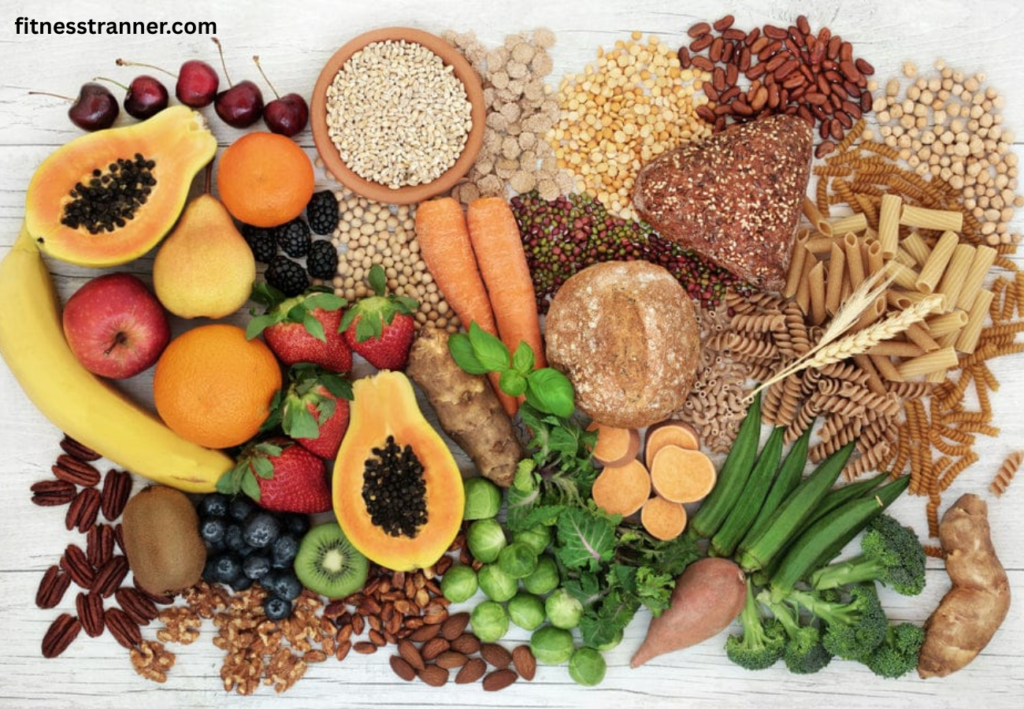
Experts generally recommend 25–38 grams of fiber per day, yet most adults fall far short of this target. That’s where supplements can be helpful.
Top 7 Fiber Supplements for Gut Health & Regularity
The following options are chosen for their effectiveness, safety, and expert backing. Before beginning any supplement, remember to consult your healthcare provider — especially if you have a medical condition or are taking medication.
1. Psyllium Husk — The Classic Go-To Fiber
Why experts like it:
Psyllium is one of the most studied fiber supplements, known for promoting regularity without harsh effects. It absorbs water and forms a gel-like substance in the gut, easing the movement of food and waste through the digestive tract.
Benefits:
- Helps relieve occasional constipation
- Supports healthy cholesterol levels
- Gentle on the digestive system
Use:
Typically taken with water once or twice a day. Start with a smaller dose and increase gradually to reduce gas or bloating.
Best for: Those who want a reliable, well-researched fiber source.
2. Acacia Gum — Prebiotic Fiber for Gut Bacteria
Why experts like it:
Acacia gum is rich in fermentable fiber that specifically feeds beneficial gut bacteria. It’s gentle, with a lower risk of bloating compared to some other supplement fibers.
Benefits:
- Supports microbiome diversity
- Improves stool consistency
- Mild and tolerable for sensitive systems
Use:
Often available in powder form to mix into drinks or smoothies.
Best for: People focusing on microbiome health rather than just regularity.
3. Inulin — A Prebiotic Powerhouse
Why experts like it:
Derived from chicory root or Jerusalem artichoke, inulin has excellent prebiotic properties. It stimulates the growth of beneficial bacteria like Bifidobacteria. However, some individuals may experience gas initially.
Benefits:
- Enhances gut flora
- May support mineral absorption
- Helps with stool softness
Use:
Start with a small serving to assess tolerance.
Best for: Those aiming to nourish their gut microbiota.
4. Methylcellulose — Non-Fermenting Fiber
Why experts like it:
Methylcellulose is a synthetic fiber that isn’t fermented by gut bacteria. This makes it less likely to cause gas or bloating — ideal for people with sensitive digestion.
Benefits:
- Increases stool bulk
- Minimal fermentation
- Excellent option for IBS
Use:
Often found in powder or capsule form.
Best for: Individuals prone to gas or discomfort with other fibers.
5. Partially Hydrolyzed Guar Gum (PHGG) — Gentle but Effective
Why experts like it:
PHGG is a soluble fiber that mixes easily into drinks without thickening. It supports bowel regularity and promotes healthy gut bacteria while being very well tolerated.
Benefits:
- No gel formation (easy to consume)
- Helps with constipation and diarrhea
- Prebiotic effects
Use:
Mix PHGG into water, tea, or smoothies once daily.
Best for: Sensitive stomachs and those who dislike thick fiber drinks.
6. Wheat Dextrin — Digestive Support Made Easy
Why experts like it:
Wheat dextrin is a soluble fiber that dissolves quickly and can be added to many beverages or meals. It supports regularity and helps maintain a smooth digestive rhythm.
Benefits:
- Tasteless and easy to mix
- Promotes soft, regular bowel movements
- Mild effect, suitable for daily use
Use:
A scoop in your morning coffee or smoothie integrates easily into daily routines.
Best for: Daily maintenance and convenience.
7. Apple Fiber — Natural Whole-Food Option
Why experts like it:
Apple fiber is a whole-food fiber option made from dried apples. It contains both soluble and insoluble fiber, mimicking the benefits of whole fruit for digestion and satiety.
Benefits:
- Natural, plant-based source
- Supports regularity and fullness
- Adds a bit of texture and flavor
Use:
Sprinkle on yogurt or blend into shakes.
Best for: Those who prefer natural, food-based supplements.
FAQ -People Also Ask
1. What is the best fiber supplement for gut health?
Psyllium husk is widely considered one of the best fiber supplements for gut health because it improves regularity, supports cholesterol levels, and is backed by strong scientific research.
2. Are fiber supplements safe to take daily?
Yes, most fiber supplements are safe for daily use when taken as directed. It’s important to increase dosage gradually and drink plenty of water to prevent bloating or discomfort.
3. Which fiber supplement is best for constipation?
Psyllium husk and partially hydrolyzed guar gum (PHGG) are commonly recommended for relieving constipation due to their ability to soften stool and promote regular bowel movements.
Tips for Getting the Most Out of Fiber Supplements
Taking fiber supplements can be very effective, but experts recommend a few simple guidelines to maximize benefits and minimize discomfort:
1. Increase intake slowly
A sudden jump in fiber can lead to gas, bloating, or cramps. Build up gradually over 1–2 weeks.
2. Drink plenty of water
Fiber works by absorbing water; without adequate hydration, it may worsen constipation instead of improving it.
3. Pair with whole foods
Supplements boost intake, but whole foods — like beans, fruits, vegetables, and whole grains — offer additional nutrients and variety.
4. Pay attention to your body
If a particular fiber causes discomfort, switch types or reduce the dose. Everyone’s digestion is unique.
Table of Contents
Final Thoughts
Fiber is one of the most powerful and underappreciated nutrients for digestive health. While whole foods should always be the foundation of a fiber-rich diet, supplements can provide targeted support for gut health and regularity — especially when eating habits or schedules make it difficult to reach daily goals.
From classic psyllium husk to gentle prebiotic fibers like acacia gum and PHGG, the best option depends on your goals, digestive sensitivity, and lifestyle. When chosen thoughtfully and taken consistently, fiber supplements can make a noticeable difference in comfort, digestion, and overall well-being.
If you’d like, I can also create a comparison chart or product recommendations based on different needs (e.g., IBS, bloating, vegan, budget-friendly). Just let me know!