Introduction
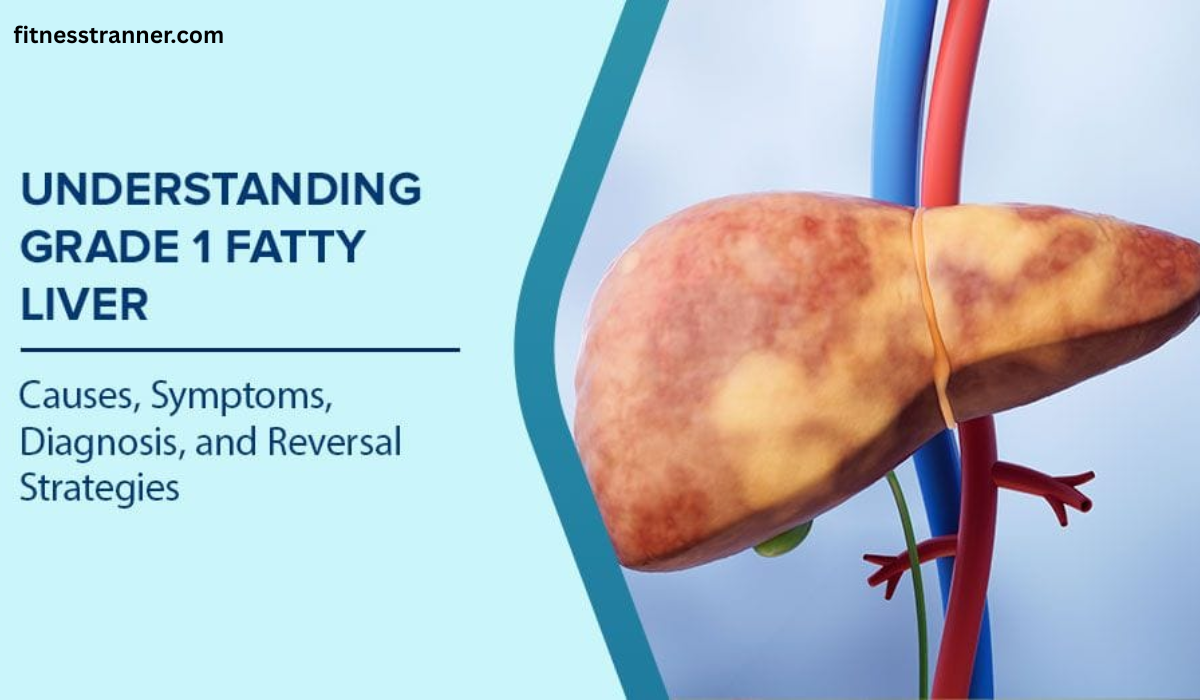
Grade 1 fatty liver, also known as mild fatty liver, is an early stage of liver fat accumulation. It is a common condition today due to unhealthy lifestyle habits, poor diet, lack of physical activity, obesity, and increasing cases of diabetes. The good news is that Grade 1 fatty liver is reversible if detected early and managed properly.
In this detailed guide, you will learn everything about fatty liver including causes, symptoms, diagnosis, treatment, diet plan, prevention tips, and recovery timeline.
What is Grade 1 Fatty Liver?
Fatty liver disease occurs when excess fat builds up inside liver cells. When the fat accumulation is mild and there is no significant inflammation or liver damage, it is classified as fatty liver.
There are two main types of fatty liver disease:
- Non-Alcoholic Fatty Liver Disease (NAFLD) – occurs in people who drink little or no alcohol.
- Alcoholic Fatty Liver Disease (AFLD) – caused by excessive alcohol consumption.
In Grade 1, fat accumulation is minimal and liver function usually remains normal. However, if ignored, it may progress to Grade 2 or Grade 3 fatty liver, which can lead to serious complications.
Causes of Grade 1 Fatty Liver
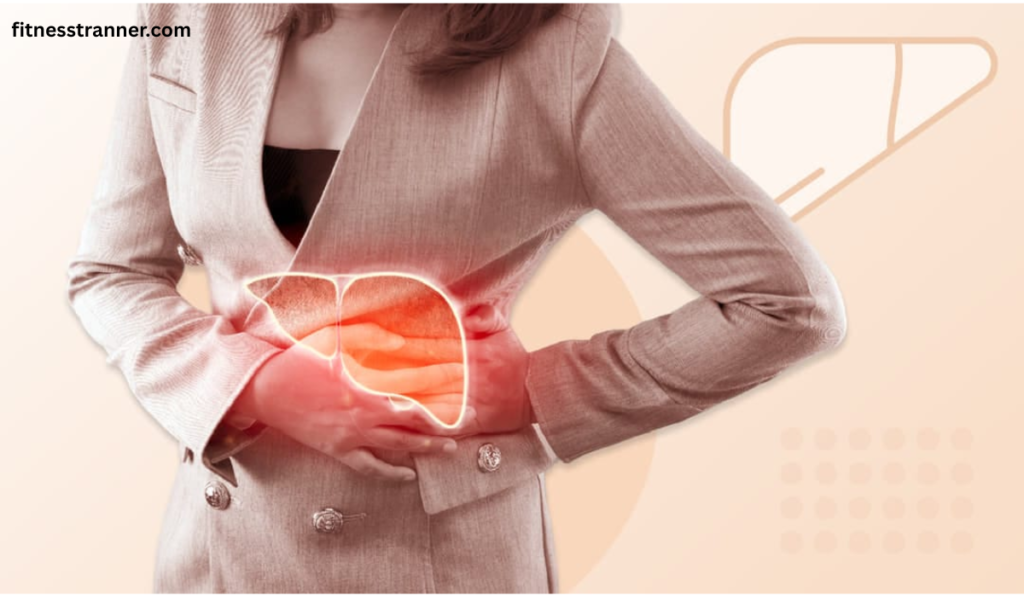
Several lifestyle and medical factors contribute to mild fatty liver:
1. Obesity
Excess body weight, especially belly fat, increases fat storage in the liver.
2. Type 2 Diabetes
Insulin resistance plays a major role in fat accumulation in liver cells.
3. High Cholesterol & Triglycerides
Elevated blood lipids directly contribute to liver fat buildup.
4. Poor Diet
Frequent intake of junk food, sugary drinks, refined carbohydrates, and fried items increases the risk.
5. Lack of Physical Activity
A sedentary lifestyle slows metabolism and promotes fat storage.
6. Excess Alcohol
Even moderate but regular alcohol intake may trigger fatty liver changes.
7. Rapid Weight Loss
Crash dieting can also disturb liver fat metabolism.
Symptoms of Grade 1 Fatty Liver
One challenging aspect of fatty liver is that it often shows no obvious symptoms. Many people discover it accidentally during routine ultrasound tests.
However, some individuals may experience:
- Mild fatigue
- Slight discomfort in the upper right abdomen
- Weakness
- Mild bloating
- Elevated liver enzymes in blood tests
Because symptoms are minimal, regular health checkups are important for early detection.
How is Grade 1 Fatty Liver Diagnosed?
Doctors use the following methods:
1. Ultrasound
Ultrasound imaging is the most common method to detect fatty changes in the liver.
2. Blood Tests
Liver function tests (LFT) check enzymes like ALT and AST.
3. FibroScan
In some cases, a liver stiffness test is done to rule out fibrosis.
4. CT or MRI (Rarely Needed)
Used in more advanced cases.
fatty liver is usually diagnosed when ultrasound shows mild increased liver echogenicity.
Is Grade 1 Fatty Liver Dangerous?
On its own, fatty liver is not immediately dangerous. However, if left untreated, it can progress to:
- Grade 2 fatty liver
- Grade 3 fatty liver
- Non-Alcoholic Steatohepatitis (NASH)
- Liver fibrosis
- Liver cirrhosis
- Liver failure (in severe untreated cases)
The key is early lifestyle correction.
Treatment for Grade 1 Fatty Liver
There is no specific medicine approved exclusively for fatty liver. Treatment focuses on lifestyle modification.
1. Weight Loss
Losing 5–10% of body weight significantly reduces liver fat.
2. Healthy Diet
Switch to a balanced, liver-friendly diet.
3. Regular Exercise
At least 30–45 minutes of physical activity daily.
4. Control Blood Sugar
Diabetic patients must manage glucose levels properly.
5. Avoid Alcohol
Completely eliminate or strictly limit alcohol intake.
6. Manage Cholesterol
Follow medical advice for lipid control.
Best Diet Plan for Grade 1 Fatty Liver
Foods to Eat
- Green leafy vegetables
- Fruits (in moderation)
- Whole grains (brown rice, oats)
- Lean protein (chicken breast, fish, lentils)
- Nuts and seeds
- Olive oil
- Garlic
- Turmeric
- Green tea
Foods to Avoid
- Fried foods
- Processed snacks
- Sugary beverages
- White bread
- Refined sugar
- Excess red meat
- Alcohol
A Mediterranean-style diet is highly recommended for fatty liver patients.
Exercise Routine for Recovery
Physical activity improves insulin sensitivity and reduces liver fat.
Recommended Activities:
- Brisk walking
- Cycling
- Swimming
- Yoga
- Strength training (3 times per week)
Consistency is more important than intensity.
Natural Remedies for Grade 1 Fatty Liver
While lifestyle change is primary, some natural support options include:
- Lemon water (improves digestion)
- Amla (rich in antioxidants)
- Milk thistle (consult doctor before use)
- Black coffee (in moderation, linked to liver protection)
Always consult a healthcare provider before using supplements.
How Long Does It Take to Reverse Grade 1 Fatty Liver?
If lifestyle changes are strictly followed:
- Improvement can begin within 4–8 weeks.
- Significant reversal may take 3–6 months.
- Full recovery depends on discipline and overall health condition.
Early-stage fatty liver is highly reversible.
Prevention Tips
- Maintain healthy weight
- Exercise daily
- Avoid processed food
- Limit sugar intake
- Avoid alcohol
- Regular health checkups
- Manage stress
- Sleep 7–8 hours daily
Prevention is easier than treatment.
When to See a Doctor?
Consult a doctor if you experience:
- Persistent abdominal pain
- Severe fatigue
- Yellowing of skin (jaundice)
- Rapid weight loss
- Swelling in abdomen
- Swelling in abdomen
- Early intervention prevents complications.
FAQ -Grade 1 fatty liver
1. Can Grade 1 fatty liver be cured completely?
Yes, it is reversible with proper lifestyle changes.
2. Is Grade 1 fatty liver serious?
It is mild but should not be ignored.
3. Can I live a normal life with Grade 1 liver?
Yes, with healthy habits.
4. Is medication necessary?
Usually not in early stages; lifestyle modification is key.
5. Does fatty liver cause pain?
Most people experience no pain in early stages.
Table of Contents
Conclusion
Grade 1 fatty liver is an early warning sign that your liver needs care. Although it may not cause noticeable symptoms, ignoring it can lead to serious complications. The best treatment is a healthy lifestyle that includes balanced nutrition, regular exercise, weight control, and avoiding alcohol.
The positive side is that mild fatty liver is reversible. With consistent efforts, your liver can heal and return to normal function within a few months.
Start today — your liver health depends on your daily choices.