The human body is a complex and well-organized structure made up of many different parts that work together to keep us alive and healthy. Learning body parts names is important for education, communication, health awareness, and general knowledge. From head to toe, each body part has a specific role and function.
What Are Body Parts?
Body parts are the different physical components of the human body. Each body part has a specific structure and purpose, helping the body perform activities such as thinking, breathing, walking, eating, and protecting itself from harm.
The human body can be broadly divided into:
- External body parts
- Internal body parts
External Body Parts Names
External body parts are those that are visible from the outside. These parts help us interact with the world.
Head and Face Body Parts
The head contains the brain and major sense organs.
- Head – Top part of the body that controls thinking
- Hair – Protects the scalp and helps regulate temperature
- Forehead – Front part of the head above the eyes
- Eyes – Help us see
- Ears – Help us hear and maintain balance
- Nose – Used for breathing and smelling
- Cheeks – Fleshy sides of the face
- Mouth – Used for eating and speaking
- Lips – Help in speech and facial expression
- Teeth – Help in chewing food
- Tongue – Helps in tasting and speaking
- Chin – Bottom part of the face
Upper Body Parts Names
These parts support movement, strength, and coordination.
- Neck – Connects the head to the body
- Shoulders – Help move the arms
- Chest – Protects vital organs like the heart and lungs
- Back – Supports posture and movement
- Arms – Used for lifting and holding objects
- Elbow – Allows arm bending
- Wrist – Connects hand to arm
- Hands – Used for gripping and touch
- Fingers – Help with fine movements
- Thumb – Helps grip objects strongly
- Nails – Protect fingertips and toes
Lower Body Parts Names
Lower body parts help with standing, walking, and running.
- Abdomen – Area below the chest
- Waist – Middle part of the body
- Hips – Support body weight
- Thighs – Upper part of the legs
- Knees – Allow leg bending
- Legs – Support movement and balance
- Ankles – Connect feet to legs
- Feet – Help in standing and walking
- Toes – Help with balance
- Heel – Back part of the foot
- Sole – Bottom of the foot
Internal Body Parts Names
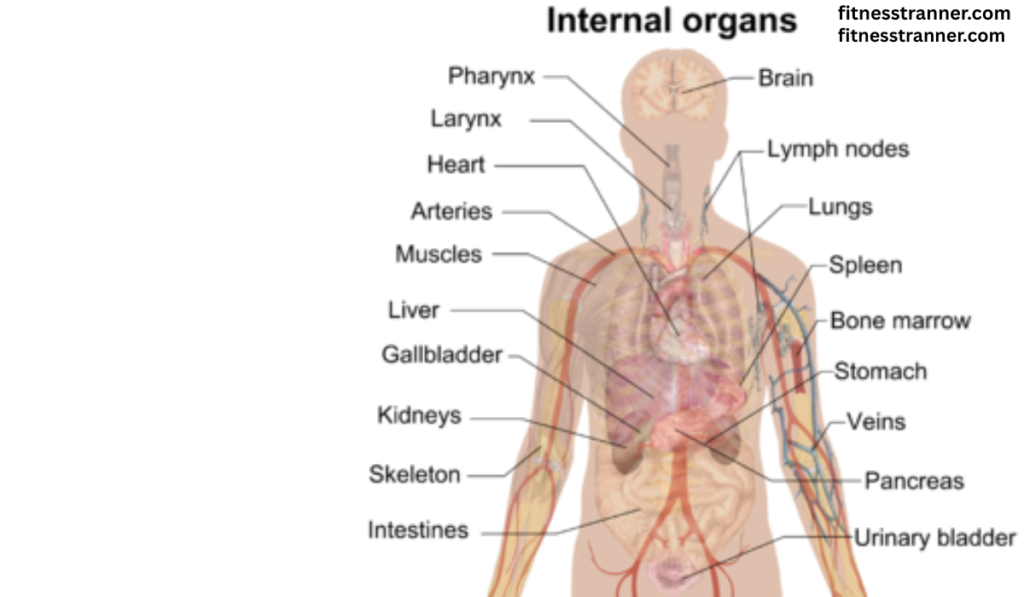
Internal body parts are located inside the body and are essential for survival.
Major Internal Organs
- Brain – Controls thoughts, memory, and body functions
- Heart – Pumps blood throughout the body
- Lungs – Help in breathing
- Stomach – Digests food
- Liver – Helps clean blood and digest fats
- Kidneys – Filter waste from blood
- Intestines – Absorb nutrients
- Pancreas – Controls blood sugar
- Spleen – Supports the immune system
- Bladder – Stores urine
Sense Organs and Their Functions
Sense organs help us understand our surroundings.
- Eyes – Sense of sight
- Ears – Sense of hearing
- Nose – Sense of smell
- Tongue – Sense of taste
- Skin – Sense of touch
Skeletal System Body Parts
The skeletal system gives shape and support to the body.
- Skull – Protects the brain
- Spine – Supports the body and posture
- Ribs – Protect heart and lungs
- Pelvis – Supports lower body
- Bones – Provide strength and structure
- Joints – Allow movement between bones
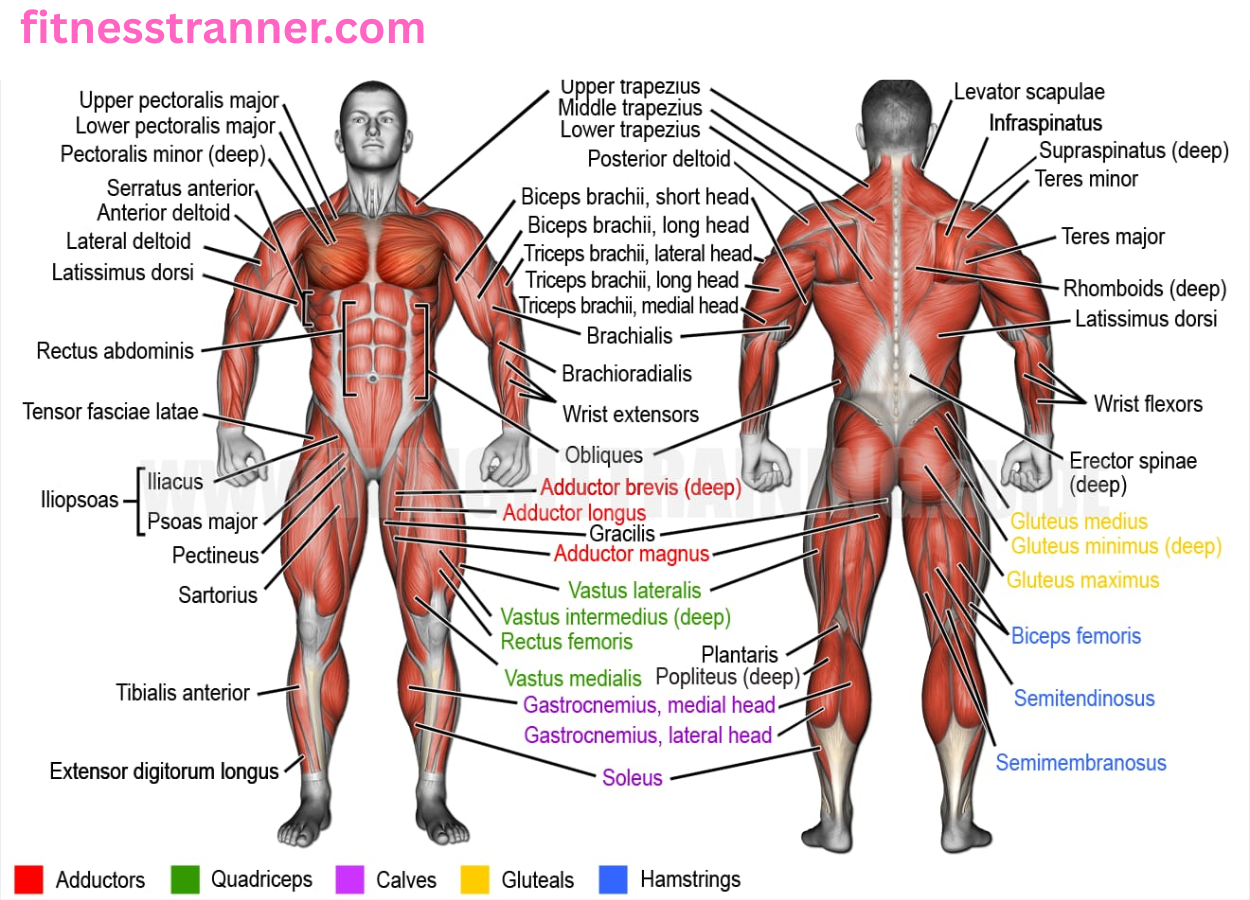
Muscular System Body Parts
Muscles help the body move and maintain posture.
- Biceps – Upper arm muscles
- Triceps – Back of the upper arm
- Chest muscles – Help with arm movement
- Abdominal muscles – Support the core
- Thigh muscles – Help in walking and running
- Calf muscles – Support foot movement
Importance of Learning Body Parts Names
Learning body parts names is important because:
- It improves communication
- Helps in medical understanding
- Useful for education and exams
- Helps children learn basic anatomy
- Improves health awareness
Body Parts Names for Students and Beginners
For beginners, learning body parts names helps build a strong foundation in science and biology. Teachers often use body parts names in early education to explain hygiene, health, and safety.
Common Mistakes While Learning Body Parts
- Confusing internal and external organs
- Mispronouncing body parts names
- Mixing up similar body parts
- Ignoring their functions
Practicing regularly helps avoid these mistakes.
Body Parts and Daily Life
Every activity we do—walking, talking, eating, or sleeping—depends on different body parts working together. Keeping our body parts healthy through exercise, proper diet, and rest is essential.
FAQ –
What are body parts?
Body parts are the different physical components of the human body. Each body part has a specific function that helps the body perform activities like breathing, moving, thinking, and digestion.
What are the main body parts of the human body?
The main body parts include the head, neck, chest, abdomen, arms, hands, legs, and feet. These parts are further divided into external body parts and internal organs.
What are external body parts?
External body parts are those visible from outside the body, such as eyes, ears, nose, mouth, hands, fingers, legs, and feet. These parts help us interact with our surroundings.
What are internal body parts?
Internal body parts are located inside the body and are not visible. Examples include the brain, heart, lungs, stomach, liver, kidneys, and intestines, which are essential for survival.
Why is it important to learn body parts names?
Learning body parts names improves basic anatomy knowledge, helps in education and communication, supports health awareness, and is especially useful for students and beginners.
What are the five sense organs?
The five sense organs are eyes (sight), ears (hearing), nose (smell), tongue (taste), and skin (touch). They help us understand and respond to our environment.
Are body parts names important for students?
Yes, body parts names are very important for students as they form the foundation of science, biology, and health education, especially in early learning.
Table of Contents
Conclusion
The human body is an amazing system made up of many important parts. Learning body parts names helps us understand how our body works and how to take better care of it. From external body parts like eyes and hands to internal organs like the heart and brain, each part plays a vital role in our daily life.
Understanding body parts is not just educational—it is essential for healthy living and effective communication.